Who may benefit
Individuals seeking calmer routines, families encouraging healthy lifestyle change, and anyone combining wellness with counselling in Shamli may find these practices helpful.
Supportive wellness practices for mindfulness, relaxation and a calmer daily rhythm — alongside counselling and rehabilitation.
Yoga and meditation can help people reconnect with breath, body and present-moment awareness. For many on a recovery path, these practices support relaxation, healthier routines and a gentler relationship with stress.
Important: Yoga and meditation alone do not cure addiction. They work best as supportive wellness practices within a wider plan that may include counselling, rehabilitation, family support and aftercare.
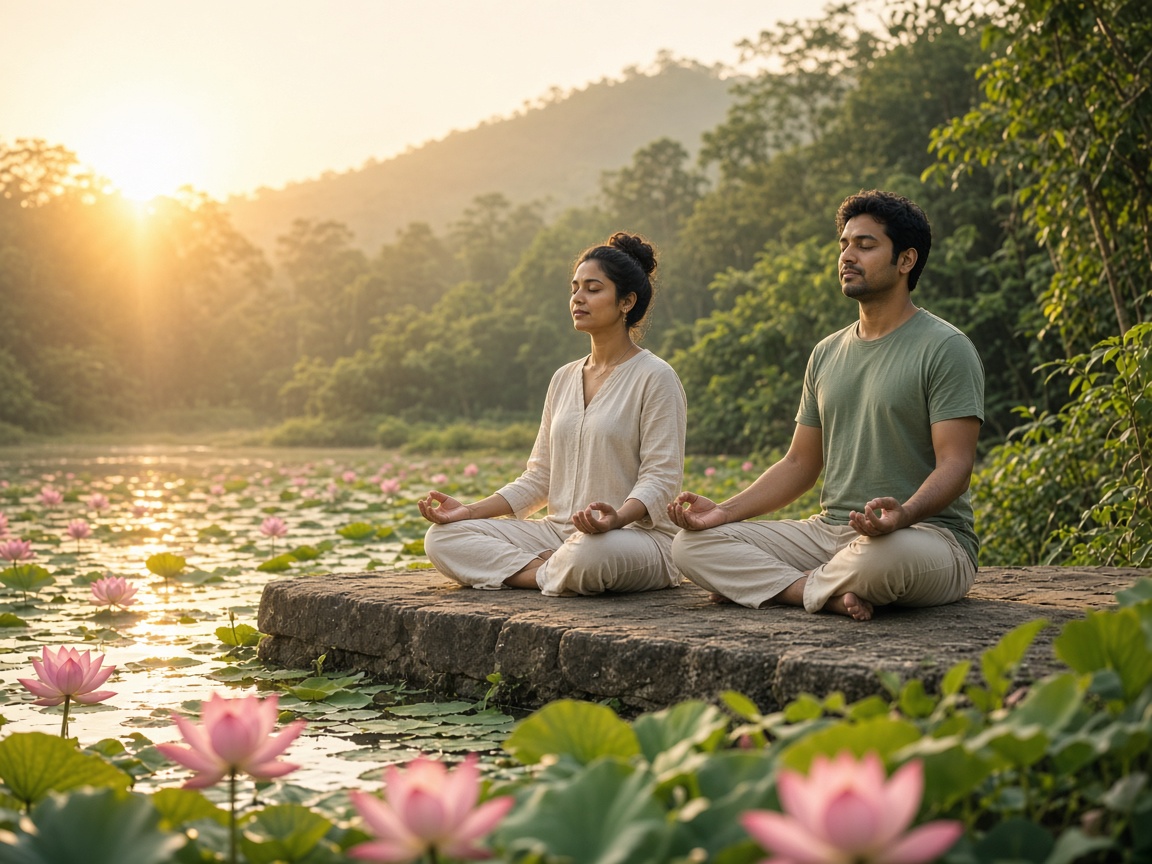
Clear wellness practices that sit alongside counselling — not instead of it.
Individuals seeking calmer routines, families encouraging healthy lifestyle change, and anyone combining wellness with counselling in Shamli may find these practices helpful.
Encourage consistency without pressure. Even short daily practices can support emotional balance when paired with broader recovery work.
No. Yoga can support wellbeing, but counselling and structured recovery support address addiction patterns more directly.
No. Practices can be introduced gently according to comfort and ability.
Speak with us to learn how wellness practices can sit alongside counselling and rehabilitation in Shamli.